
Five Lessons in Five Years
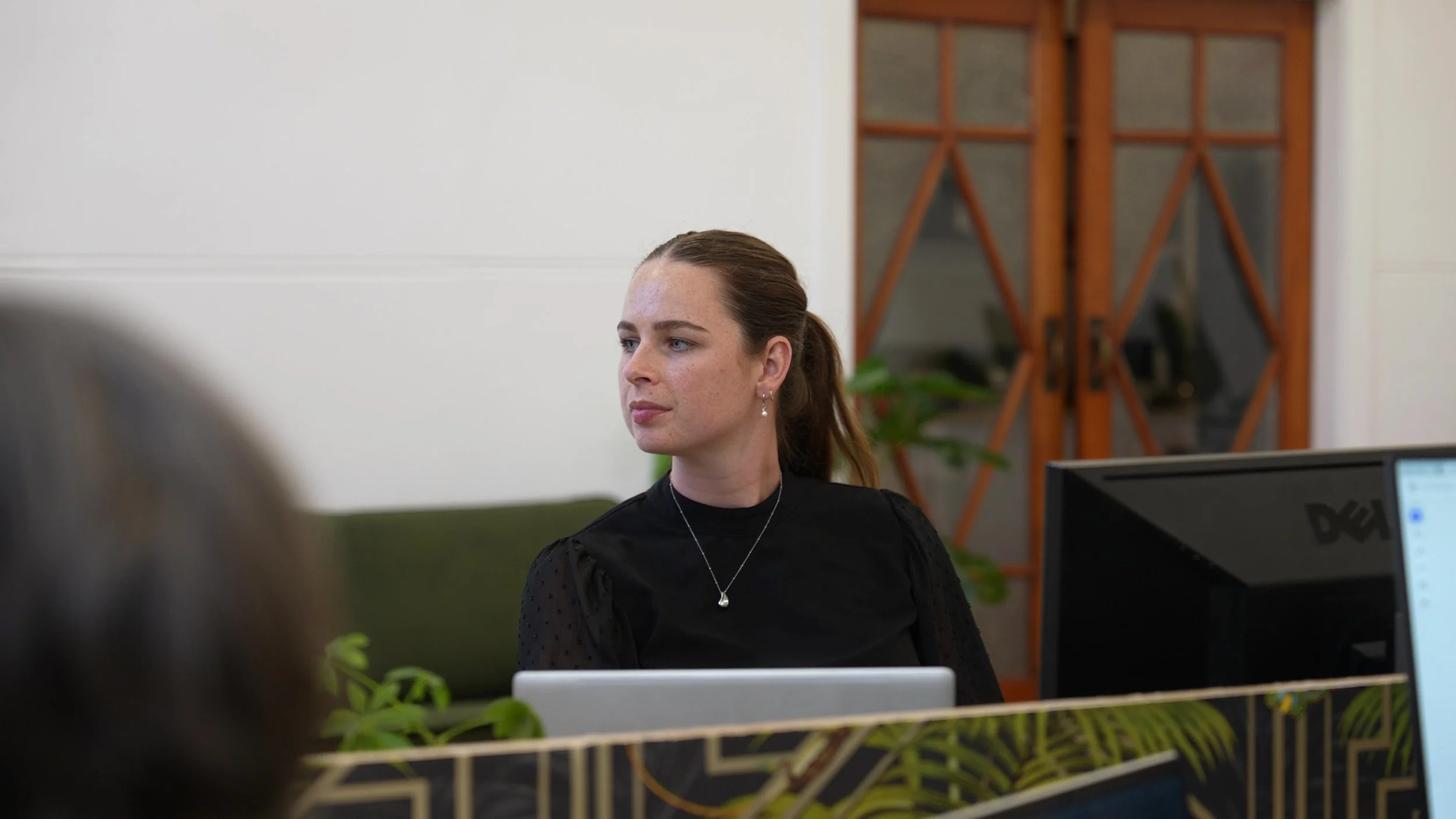
Samantha Pianca, Senior Account Manager - Sauce Communications
Five years ago, I wrote about my first three months in the PR industry. Everything was new, fast-paced and exciting (with a healthy dose of imposter syndrome). I was very transparent about the fact that I hadn’t expected to work in PR industry, instead spending my university days focused more heavily on the marketing side of the communications world.
Five years on, the imposter syndrome is still with me but so is a good bank of experience, projects and reflections. Here are the five lessons that have stuck with me.
1. Jack of all trades, master of…knowing when to outsource
Working at a full-service agency like Sauce Communications means covering a lot of ground. On any given week, that could include strategy, media relations, content creation, events, digital or campaign execution.
Over time, you become a strong all-rounder. Particularly if you’re like me and are always up for a challenge and just “figure things out”. You understand how everything fits together, you can step into different tasks and you develop a solid strategic lens across channels.
But one thing I’ve learned is that being capable doesn’t always mean doing everything myself.
I can design basic collateral like social media content, brochures and business cards. A 100+ page Annual Report? That’s the job of a graphic designer.
I can build simple websites. A full customised site built on code? That’s for a web developer.
I can create a quick promo reel using b-roll. A polished corporate video with interviews and drone footage? That’s a videographer’s expertise.
The real skill isn’t trying to master everything, it’s knowing where your strengths add the most value and when bringing in a specialist will produce a better outcome for the client.
2. Deadlines are flexible. Unless they’re not.
Deadlines are at the core of everything we do. Clients rely on us to deliver on time so they can move forward and that trust is critical.
But something I didn’t expect early on is how fluid deadlines can be.
I’ve lost count of the number of times I’ve worked 50-60 hour weeks, started before sunrise, finished late into the evening and pushed to meet a tight turnaround only to follow up a few days later and find the work hasn’t even been reviewed yet.
More often than not, deadlines are very real on our side as the service provider, but not always as urgent on the client side.
That doesn’t mean we don’t meet them. We absolutely do. But it does change how I think about urgency, expectations and how I manage my own time and energy.
3. We’re not saving lives
This one is still a work in progress for me.
As someone who leans towards perfectionism, my instinct is to get everything done early, get it right and keep pushing until it’s exactly as it should be. I also have a tendency to “take work home with me”. Even when I’m not at my laptop, I’m still thinking about it.
But over time, I’ve started to recognise something important. The work we do matters, but it’s not life or death.
If a social media post goes to a client at 9am instead of 10pm the night before, the outcome is unlikely to change. The client relationship won’t suffer. The campaign won’t fail.
But my energy levels, focus and overall wellbeing? Those are directly impacted.
Delivering for our clients will always be a priority but learning not to operate in a constant state of urgency has been just as important. Not everything requires a fight-or-flight response.
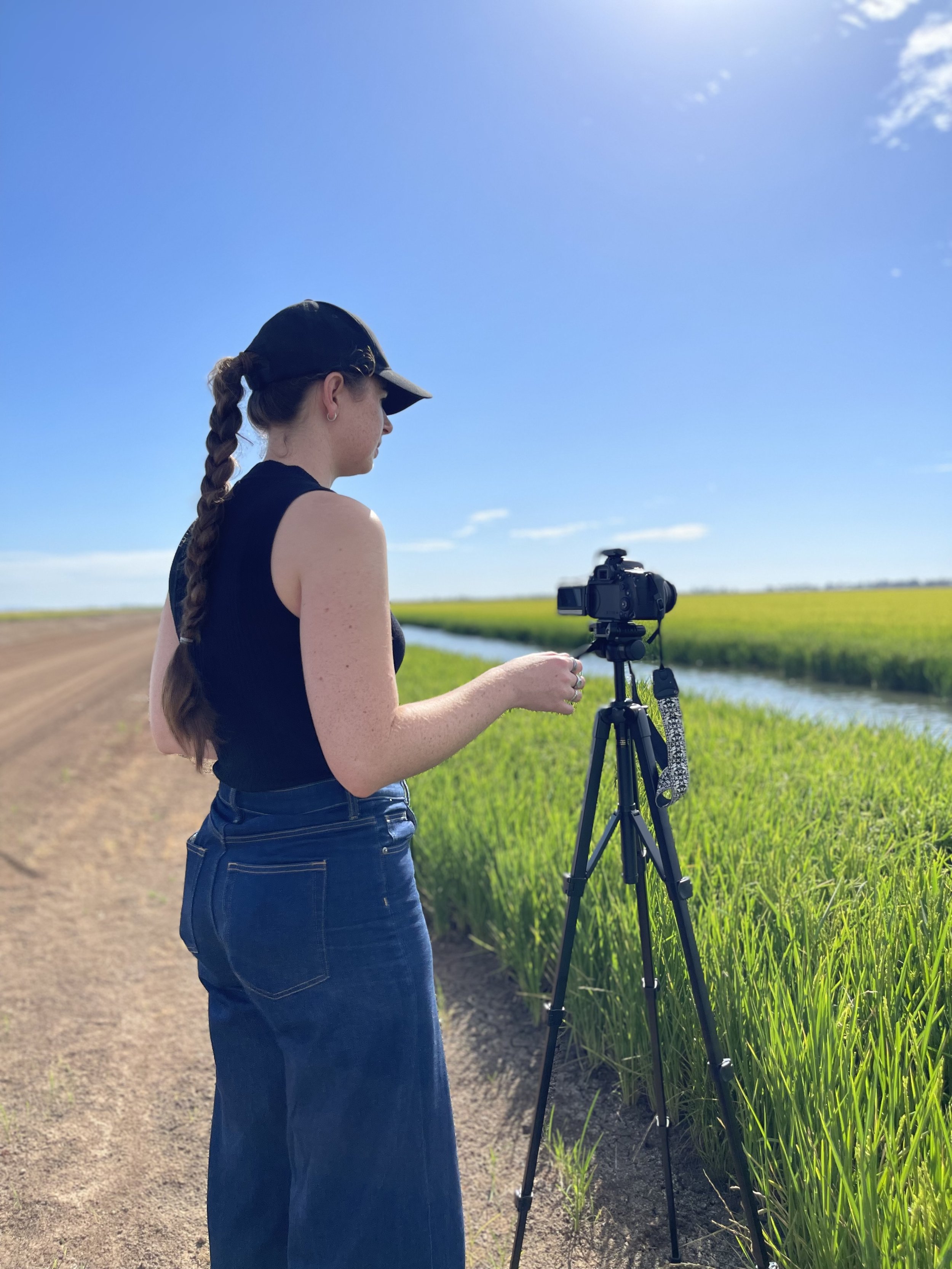
Samantha Pianca, Senior Account Manager, onsite content shooting with a client.
4. Not everyone is an expert (even if their title suggests they should be)
This might be controversial, but it’s something that genuinely surprised me.
We often work with marketing, communications, PR and digital managers who are part of the senior leadership of their organisation but they don’t have the knowledge of the industry like I’d expect them to.
I’ve found myself explaining how to set up social media profiles to digital managers. Walking through campaign structures with marketing executives. Talking through the basics of media releases with the director of communications.
And to be clear, this isn’t a criticism.
Leadership roles require a completely different skill set. They’re focused on big-picture thinking, team management, budgets and organisational priorities. Plus, our industry changes constantly so I’d never expect anyone to be able to stay across everything.
But it has been a shift in perspective. Titles don’t automatically equal technical expertise. It has also reinforced that our role isn’t just to execute. It’s to guide, educate and support clients in areas where we have deeper, day-to-day knowledge.
5. You have to keep learning (whether you like it or not)
I don’t know if it’s always been like this, or if the last five years have just been particularly intense with the rise of new platforms, constant social media updates and now AI changing how we work, but staying up to date feels like a job in itself.
New tools, new trends, new algorithms, new expectations. Things change quickly and clients expect you to have the answers.
The reality? You don’t always have them straight away.
I spend a fair amount of time Googling how to do things. I invest in professional development. I learn on the go. The skills I rely on today are very different to what I was using five years ago.
That’s probably the biggest takeaway: standing still isn’t an option.
If I want to keep delivering value for my clients, team and career, I have to keep evolving. Even when it feels chaotic.
Five years in and I still feel pretty similar to the version of me that showed up for my first day. I am excited to see what the next few years bring, especially as Sauce Communications has recently introduced Sauce Foundations which will again extend my skills and allow us to deliver a new style of services for small businesses in regional and rural Australia.